
Agents with deep local expertise are force multipliers. They know the blocks—not just the ZIP codes. They understand price elasticity by street, how school rezoning shifts demand, which builders cut corners in the mid‑2010s, and what to say to move a hesitant buyer from “I like it” to “I want it.” Recruiting these agents strengthens your brokerage’s credibility, raises your listing win rate, shortens time to contract, and gives you durable, defensible market share. This comprehensive guide lays out how to identify, attract, sign, and onboard hyperlocal experts—and how to operationalize their knowledge so your whole brand benefits.
Executive Summary #
- Local market knowledge is a performance edge. It compresses the sales cycle, increases pricing accuracy, improves negotiation outcomes, and earns trust faster than generic claims.
- Build a “local-expert-ready” platform before outreach: neighborhood hubs, micro‑market data dashboards, geo-farming kits, event playbooks, and local partner ecosystems.
- Use personalized, value-led outreach that references their exact micro‑market and offers specific amplification—microsites, co-branded reports, community introductions, and a farm-defense plan with measurable support.
- Design offers that reward locality: hyperlocal marketing budgets, neighborhood exclusivity (with guardrails), PR for community leadership, and content production support.
- Onboard with a 30–60–90 plan that launches their neighborhood authority fast: publish guides, run a community event, lock in partner lanes, and route relevant leads automatically.
- Measure what matters: listing win rate by micro‑market, DOM vs. comp set, geo-page traffic, Google Business Profile actions, community event RSVPs, and cross‑referrals.
What “Strong Local Market Knowledge” Actually Means #
It’s more than “I live here.” The best local specialists show consistent mastery across seven dimensions:
- Micro‑pricing: Understanding premiums and discounts at the street/block level—corner lots, flight paths, flood history, builder reputations, and remodel qualities.
- Demand signals: School catchments, commuter routes, zoning changes, HOA rules, STR restrictions, and coming infrastructure.
- Inventory nuance: Which floor plans move, which sit, what upgrades actually return value, and how to tell when a “stale” listing is mispositioned vs. mispriced.
- Community context: Lifestyle anchors (parks, clubs, gyms), construction timelines, seasonal rhythms, and neighborhood politics that affect value perception.
- Vendor ecosystem: Which inspectors, contractors, and service pros reliably perform in that housing stock and price band.
- Negotiation patterns: Typical concessions, inspection “gotchas,” and how to structure offers that win without overpaying.
- Storytelling: Ability to translate features into a local lifestyle narrative that sellers and buyers immediately recognize as true.
Recruiting agents who demonstrate these competencies lifts your brand from “we sell homes” to “we are the neighborhood authority.”
Make Your Brokerage “Local-Expert Ready” Before Outreach #
Top local agents won’t move for generic promises. Build the platform they’ve always wanted to plug into.
Hyperlocal Digital Footprint #
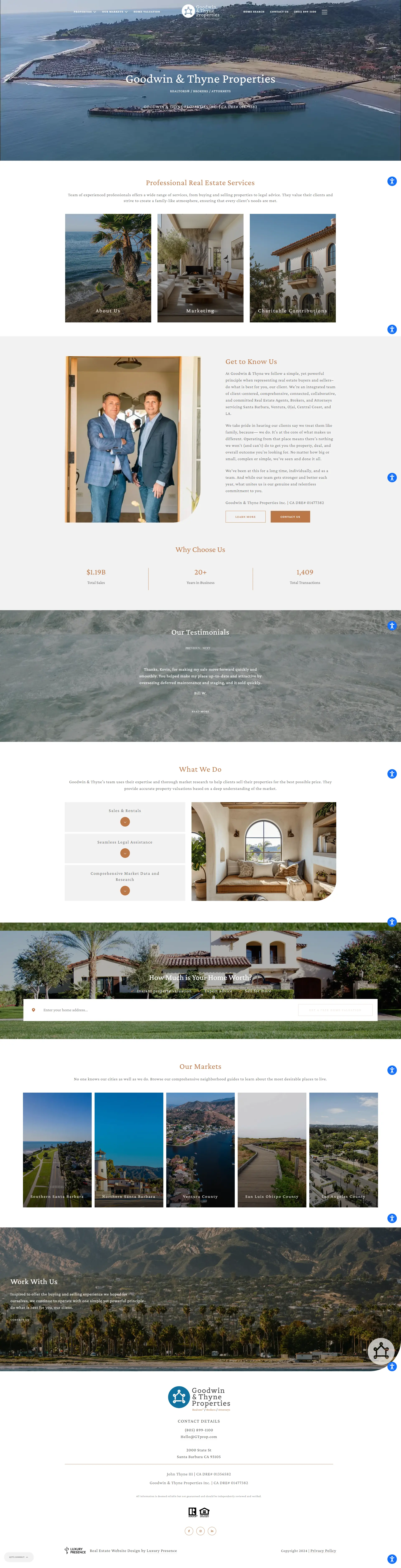
- Neighborhood hubs: Publish high-quality, search‑optimized pages for each core neighborhood—maps, schools, walkability, architecture styles, market trends, and recent wins.
- Agent spotlights: Give each local expert a dedicated profile embedded across their hub with recent deals, reviews, and “ask me anything” prompts.
- Answer-engine readiness (AIVSO): Structure content to win AI/voice and “People Also Ask” queries with clear, concise answers to hyperlocal questions.
Micro‑Market Data Dashboards #
- Weekly market cards by neighborhood: new listings, pendings, DOM, absorption, price movement.
- Agent “Today” views: alerts when a new listing hits their farm, when an expired fits their sweet spot, or when price changes create opportunity.
- Client‑friendly charts: shareable visuals for listing presentations and buyer consults that explain the neighborhood story in 90 seconds.
Geo‑Farming Kits and Community Playbooks #
- Mail, door, and digital bundles: map, segments, cadence, and creative.
- Event‑in‑a‑box: seasonal community events (shred day, pumpkin patch, park cleanup, dog-friendly meetups) with landing pages, RSVP flows, and sponsorship decks.
- Local partner roster: schools, HOAs, PTAs, civic groups, small businesses, and service providers with co‑marketing guidelines.
Operations That Respect Locality #
- Lead routing rules: neighborhood and keyword-based routing that ensures local experts receive inquiries aligned to their farm.
- CMA and copywriting support: internal or partner writers trained in neighborhood voice and architecture vocabulary.
- Reputation playbook: how to secure neighborhood press, sponsor features, and amplify community leadership without feeling salesy.
Build these assets once; use them to win recruits and listings repeatedly.
Target the Right Prospects: Signals of a True Local Expert #
Create a prospect list ranked by observable hyperlocal signals:
- Concentrated production: consistent listings/sales clustered within specific neighborhoods or subdivisions.
- DOM and price performance: better-than-market outcomes in those micro‑markets.
- Listing presentation quality: copy that references local history, architecture, or lifestyle instead of generic home features; superior photography that highlights what locals value.
- Community presence: visible at HOA meetings, school events, local charities; runs or sponsors neighborhood happenings.
- Content: monthly neighborhood updates, videos, map‑based tours, or “living in [Neighborhood]” guides.
- Reviews: specific praise about local advice—school insight, commute strategies, vendor referrals, or negotiation tactics tied to neighborhood quirks.
Prioritize agents with both output (sales) and narrative (content/community), then score recruitability (recent frustrations, support gaps, brand mismatch, growth ambitions).
Personalized Outreach That Local Agents Actually Answer #
Generic “we’re hiring” notes get ignored. Offer tailored, neighborhood‑specific value in 75–125 words.
The L.O.C.A.L. Outreach Framework #
- Leverage a specific local hook: “Your [Subdivision] market update nailed the [School] rezoning impact.”
- Offer a concrete upgrade: “We’ll co‑launch a dedicated [Subdivision] hub and route matching leads to you.”
- Credibility proof: “Here’s a sample hub and a 90‑day farm plan that lifted appointments 38% in [Comparable Area].”
- Ask for a short next step: “10 minutes to show the map and calendar?”
- Limit friction: one link, one CTA, near‑term time window.
Email Template (Neighborhood Specialist) #
Subject: A fast, focused plan to grow your [Neighborhood] presence
Hi [First Name] — your [Neighborhood] updates are the gold standard. Two small amplifiers we can stand up in 10 days: 1) a dedicated [Neighborhood] hub that captures AI/voice and long‑tail queries, 2) a quarterly community event kit with sponsors lined up. We pair that with lead routing so [Neighborhood] inquiries reach you first. If a 10‑minute screen share helps, I’ll walk you through the map, the content calendar, and the RSVP flow. Worth a look this week?
LinkedIn DM (Rising Local Influencer) #
Loved your short on [Local Topic]. We’ve been helping agents turn those into neighborhood hubs + event calendars that consistently book listing consults. 10 minutes this week to show a live example and outline how it could work in [Neighborhood]?
Text (Opt‑in) #
Hi [Name], [Your Name]. Quick idea: a [Neighborhood] hub + event‑in‑a‑box we can launch in 10 days and route matching leads to you. 10‑min peek? [Calendar Link]
Video DM (60 seconds) #
Open with their last neighborhood post on screen, add one concrete upgrade (hub + quarterly event kit), show a 3‑second peek of an example hub, ask for a 10‑minute screen share.
The Offer: Make Local Expertise Pay Off #
Design your value proposition to make their neighborhood work easier, louder, and more profitable.
Core Components #
- Hyperlocal digital: personal neighborhood hub, consistent placement on your market pages, and schema/local SEO support.
- Lead priority: automated routing by keywords, map boundaries, and form logic; SLA transparency so they see it work.
- Marketing co‑funding: matching budget for geo‑farm mailers, neighborhood video series, and seasonal events (with ROI reporting).
- Exclusivity with guardrails: “primary ambassador” status for a defined micro‑market, reviewed annually against activity and service standards.
- Community platform: access to your sponsorship decks, partner intros, and PR support for local leadership.
- Operations: a named marketing producer, copywriter familiar with the neighborhood, and a transaction coordinator who knows local quirks (HOA docs, well/septic, coastal, historic districts).
One‑Page Offer Summary #
Keep it plain-English: map of the territory, what you fund or match, the lead rules, the content/event cadence, the team that supports them, and how success is measured.
Onboarding: A 30–60–90 Plan That Launches Neighborhood Authority #
Days 1–30: Publish, Route, and Announce #
- Launch the agent’s neighborhood hub: refreshed bio, local photography, FAQs, and a weekly market card.
- Set lead routing: tag forms and search paths; test speed‑to‑lead alerts.
- Publish “Living in [Neighborhood]” guide and a 90‑day “What’s Coming” calendar.
- Record a 3‑part short‑form series: tour, pricing talk, and myth‑busting.
- Announce to SOI and local groups; invite to a micro‑event in 3–4 weeks.
Days 31–60: Events and Partnerships #
- Host a small community event (30–60 RSVPs): park cleanup, school supply drive, or neighborhood Q&A.
- Lock two partner lanes: local lender for micro‑market stats, home services vendor for co‑marketing.
- Launch a monthly “Neighbor Report” email and a just‑listed/just‑sold storytelling template.
- Optimize hub content with real Q&A from the event and inbox.
Days 61–90: Case Studies and Scale #
- Package two case narratives: how local knowledge changed a pricing or negotiation outcome.
- Roll out a second niche or adjacent micro‑market if capacity allows.
- Review performance and adjust farm boundaries, budgets, or cadence.
Community and Partnerships: Engineer the Right Rooms #
- Schools and PTAs: sponsor newsletters, help organize family events, provide transparent, data‑first market briefings.
- HOAs and civic groups: offer homeowner education (pricing, remodel ROI, STR rules) with helpful, non‑salesy decks.
- Small businesses: co‑promotions with coffee shops, gyms, pet stores; QR flyers and counter cards that drive to the hub.
- Local media and blogs: pitch neighborhood stories—architecture, history, market shifts—featuring your agent as a resource.
- Developers and builders: provide “buyer preference” feedback loops; offer curated previews for neighbors to reduce friction and earn goodwill.
Content and AIVSO: Be the Default Answer for Local Questions #
- FAQ mining: log every buyer/seller question; turn the best into short, direct answers on the hub.
- Guides with intent: “Best streets for [amenity],” “How [School] rezoning affects [Neighborhood],” “Historic district permit FAQ.”
- Short video rhythm: two local shorts per week (60–90 seconds), captioned, geotagged, and embedded on the hub.
- Neighborhood email cadence: monthly market card + one human story (a neighbor, a new park feature, a local event recap).
- Local schema and mapping: add structured data for neighborhoods, schools, and attractions to support answer engines.
Data and Tools That Make Local Expertise Scalable #
- Micro‑market alerts: new/price‑reduced/expired listings within defined map boundaries sent to the agent daily.
- Smart lists: “Neighbors who attended events,” “People who clicked school content,” “Homeowners in pre‑listing conversations.”
- CMA templates: neighborhood‑specific comps with annotation blocks for architecture, school, and amenity impacts.
- Calendarized farming: quarterly mailers, monthly email, weekly social shorts, and one event per quarter, all pre‑scheduled.
- Reputation engine: request reviews that mention local specifics; spotlight those on the hub.
KPIs: Measure Local Impact, Not Just Volume #
Leading indicators
- Neighborhood hub traffic, time on page, and FAQ engagement
- Google Business Profile views, calls, direction requests from the micro‑market
- Event RSVPs and show rates; email list growth within the neighborhood
- Inbound leads tagged to local keywords or pages; speed‑to‑lead
Lagging indicators
- Listing win rate within the micro‑market vs. market average
- DOM vs. comp set; sale‑to‑list ratio adjusted for seasonality and condition
- Cross‑referrals from neighbors and local partners
- GCI per farm after marketing spend; year‑over‑year retention of the farm
Management cadence
- Weekly: activity and leading indicators; fix routing, content cadence, and follow‑up gaps
- Monthly: lagging indicators and case narratives; adjust map, budget, and event plan
- Quarterly: renew “primary ambassador” status based on standards and outcomes
Common Mistakes (And How to Avoid Them) #
- Branding without backbone: launching “neighborhood expert” pages with thin content and no lead routing. Fix with a real hub, data, and rules.
- Overlapping territories: recruiting multiple agents to the same farm without standards. Fix with clear boundaries, performance expectations, and collaboration paths.
- No community calendar: sporadic events that don’t build habit. Fix with a quarterly cadence and sponsors.
- Content for algorithms, not neighbors: keyword stuffing and generic posts. Fix by answering real local questions with clarity and proof.
- Underfunding the farm: expecting organic momentum with no budget. Fix with matched funds and measurable ROI.
Templates and Assets You Can Deploy Today #
10‑Minute Email Pitch to a Local Expert #
Subject: Make you the go‑to for [Neighborhood] in 90 days
Hi [First Name] — your [Neighborhood] market notes are spot on. I’d like to show you a fast plan to make you the default answer for [Neighborhood] questions: a dedicated hub, mapped lead routing, a quarterly community event kit with sponsors, and a monthly “Neighbor Report.” We can stand it up in 10 days. 10 minutes to see the map, calendar, and examples?
Event Invite Copy (Community Q&A) #
Join us for a 45‑minute, neighbor‑only Q&A on what’s changing in [Neighborhood]—schools, new builds, pricing, and projects. Bring questions; we’ll bring data. RSVP here: [Link]
One‑Pager Outline (For Recruiting Meeting) #
- Map of [Neighborhood] with boundaries and density
- 90‑day content + event calendar
- Example hub screenshots with FAQ list
- Lead routing diagram and SLA
- Co‑funding breakdown and ROI reporting sample
- Team: producer, writer, TC, concierge
14‑Day Action Plan to Stand Up a Local Recruiting Program #
Day 1–2: Pick three priority neighborhoods and define success metrics (listing win rate, DOM, hub traffic).
Day 3–4: Build or refresh neighborhood hub templates and a sample “Neighbor Report.”
Day 5–6: Configure lead routing rules and a “neighborhood” taxonomy in your CRM.
Day 7: Draft the community event‑in‑a‑box kit and sponsorship deck.
Day 8–9: Create a top‑25 prospect list per neighborhood with local signals and recruitability scores.
Day 10: Personalize and send 10 outreach messages using L.O.C.A.L.; book 3–5 strategy sessions.
Day 11–12: Produce the one‑pager and gather two case narratives (or pilot examples) to show.
Day 13: Run a micro‑pilot in one neighborhood with an in‑house agent to gather quick wins.
Day 14: Hold strategy sessions, tailor offers, and schedule onboarding for the first two recruits.
FAQs #
Why should brokers prioritize agents with strong local knowledge? #
They compress time to value, win more listings, and deliver better pricing and negotiation outcomes. Their credibility reduces friction, and their community presence compounds referrals.
How do you verify an agent truly has local expertise? #
Look for concentrated production, DOM advantages, and narrative proof: neighborhood‑specific copy, videos, event leadership, and reviews that mention local insights.
What’s the most compelling offer for a local expert? #
A platform that amplifies their neighborhood brand: hub + routing + community calendar + matched marketing + PR support, plus clear standards and exclusivity.
Should we grant exclusive territories? #
Offer “primary ambassador” status with performance standards and collaboration guidelines. Revisit quarterly to ensure the neighborhood is well served.
How do we avoid internal conflict between local agents? #
Define boundaries, publish routing rules, document handoff paths for overlaps, and reward cross‑referrals. Communicate expectations clearly.
What budget should we allocate to a neighborhood program? #
Start with a matched fund for mail, events, and content (e.g., $500–$1,500/month per active farm), then scale based on ROI.
How fast can we stand up a neighborhood hub? #
With templates ready, 7–10 days: content, visuals, FAQs, routing, and the first two short videos.
What are the best early indicators the program is working? #
Hub traffic and engagement, GBP actions in the micro‑market, event RSVPs, and inbound lead volume tagged to neighborhood content.
How do we make local content rank and convert? #
Answer real neighbor questions concisely, use maps and images, add structured data, embed short videos, and keep it updated. Include clear CTAs to book a consult.
Do local experts help recruit other agents? #
Yes—strong neighborhood presence and visible community leadership attract rising talent who want to learn and plug into momentum.
About MNKY Agency #
MNKY Agency builds recruiting engines that win locally. We help brokers recruit and retain hyperlocal real estate agent talent, craft irresistible offers, and stand up the digital, data, and community backbone that makes “local expert” more than a tagline. We recruit Realtors for all brokerage types and keep the model simple: $100 per closed transaction, no monthly or annual fees.
About the Author #
J. Stuart Hill has spent two decades helping brokerages dominate micro‑markets by turning local knowledge into a brand moat. As founder of MNKY Agency, he pioneered AIVSO and InstantEngage frameworks that make neighborhood authority searchable, shareable, and scalable—so brokers recruit the right agents and agents win the right listings. When he’s not building playbooks, he’s walking blocks with clients, mapping the tiny details that move the deal.