
Recruiting real estate agents who specialize in specific niches—luxury listings, first-time buyers, probate and trust sales, relocation, investment properties, new construction, senior downsizing, military/VA, vacation/second homes, eco/sustainable homes, and more—can transform your brokerage from a generalist shop into a resilient, high-conversion growth engine. The right mix of specialists makes your brand more discoverable, your pipeline more predictable, your margins healthier, and your team more loyal. This comprehensive guide explains why niche recruiting works, which benefits matter most to brokers, how to operationalize specialist support, and the KPIs and playbooks that turn specialization into measurable revenue.
Executive Summary #
Niche-specialized agents deliver outsized returns because they attract high-intent clients, convert at higher rates, and generate referral flywheels that compound over time. For brokers, the benefits fall into seven core buckets: market differentiation and brand authority, higher lead quality and conversion efficiency, pricing power and margin expansion, faster ramp and replicable playbooks, resilience through portfolio diversification, stronger retention and culture, and a data moat that improves forecasting and decision-making. To capture these benefits, recruit specialists with authentic track records, provide niche-specific enablement (content, partners, scripts, compliance guardrails), align compensation and marketing support to niche economics, and measure ROI with a clean dashboard of leading and lagging indicators.
Why Niches Win: The Strategic Case for Specialization #
Generalists can sell anything; specialists dominate something. When you recruit agents with niche expertise, you earn unfair advantages at multiple layers of the business
- Discoverability: Niche language maps to how consumers search and how AI/voice answer engines resolve intent. “Probate real estate agent in [city]” or “VA loan specialist near me” are high-intent queries you’re more likely to win when you have specialists featured in your content and profiles.
- Trust acceleration: Specialized knowledge, case studies, and partner ecosystems reduce perceived risk for clients with unique needs, accelerating decisions.
- Operational efficiency: Repeating the same seller/buyer patterns allows tighter checklists, faster turnarounds, fewer errors, and smoother client journeys.
- Network effects: Specialists interface with concentrated referral sources (probate attorneys, HR/relocation directors, lenders, builders, wealth managers), creating warmer lead pipelines and durable partnerships.
- Economic insulation: When one segment cools, others heat up. A portfolio of niches smooths revenue volatility and protects profitability across cycles.
Benefit 1: Market Differentiation and Brand Authority #
Recruiting niche agents gives your brokerage a distinct voice and positioning in a sea of sameness. Instead of “we do everything,” your brand becomes “we’re the leader in [niche] across [market], with proven processes and partners.” That authority compounds when you present specialists publicly
- Content leadership: Publish niche-focused guides, market updates, case studies, and checklists authored or co-authored by your specialists. Prospects see a repository of answers that match their exact situation.
- Third-party validation: Specialists are easier to pitch to local media, podcasts, and community events because their expertise is concrete and newsworthy.
- Social proof that matters: Reviews and testimonials from niche clients (e.g., families navigating probate, veterans closing with VA benefits, eco-minded buyers completing solar and appraisal hurdles) tell richer, more compelling stories than generic praise.
Practical moves
- Build specialist profile pages and link them from your market and niche hub pages.
- Use niche badges on agent bios and listing pages so prospects “route themselves” to the right expert.
- Create an editorial calendar with monthly features by niche—spotlighting wins, partners, and micro-market insights.
Benefit 2: Higher Lead Quality and Conversion Efficiency #
Niche-qualified leads start closer to the money because they have specific needs. Specialized messaging, scripts, and assets reduce friction in discovery and conversion
- Better fit, fewer no-shows: Leads from probate attorneys, builders, VA lenders, or relo coordinators arrive pre-contextualized, which improves appointment show rates and agreement sign rates.
- Objection preemption: Specialists anticipate common hurdles—title and timelines in probate, VA appraisals and minimum property requirements, builder incentives and inspection protocols—which improves proposal acceptance.
- Shorter sales cycles: Pre-built workflows, templates, and partner handoffs compress the time from inquiry to agreement and contract.
Practical moves
- Match inbound leads to specialists automatically based on form logic, landing page path, or source.
- Arm specialists with niche-specific call frameworks, email sequences, and one-pagers so the first touch feels expert and reassuring.
- Track conversion by niche to learn where to invest more marketing budget.
Benefit 3: Pricing Power and Margin Expansion #
Certain niches enable higher price points or stronger fee integrity due to complexity and risk management. Others drive margin through velocity and operational efficiency
- Premium pricing: Luxury, complex estates, and architecturally significant properties justify enhanced fees when paired with white-glove marketing and risk controls.
- Value-based fees: Investment and small-multifamily specialists can command advisory-like positioning—underwriting, rent-roll analysis, cap rate comps—that moves the engagement beyond a commodity.
- Ancillary monetization (compliant): Specialists catalyze legitimate, transparent partner revenue (e.g., marketing services billed to the seller, paid staging booked by the client with clear disclosures, or property management referrals where permitted). Always adhere to local laws and RESPA regulations; never collect prohibited kickbacks.
Practical moves
- Publish tiered service menus for relevant niches (luxury launch packages, investor listing prep, probate concierge).
- Use deal-level P&L for marquee listings to justify co-funded marketing with sellers and to forecast ROI.
Benefit 4: Faster Ramp and Replicable Playbooks #
Specialists ramp faster because the path to productivity is defined. You can encode that path into repeatable playbooks
- Checklist-driven execution: From “First 24 Hours of a Probate Listing” to “VA Buyer Offer Strategy,” checklists reduce decision fatigue and training time.
- Role-play that matters: Scripts and objections are narrower and more predictable, so practice drives real performance gains.
- Templates that shorten cycle time: Prebuilt CMAs, proposal decks, buyer consultations, and vendor intro emails shave hours off prep and increase professionalism.
Practical moves
- Build a library of niche playbooks, scripts, and templates in your knowledge hub and keep them versioned.
- Run weekly niche guild sessions where specialists role-play live scenarios and update assets together.
Benefit 5: Geo Dominance and Share of Voice #
Niche content and signage concentrate attention in specific micro-markets
- Local search coverage: Create hub pages like “Probate Real Estate in [City]” and “VA Home Buying in [Region]” with specialist bios, FAQs, and recent wins to capture long-tail queries and AI answer snippets.
- Micro-farming that sticks: Specialists can farm smaller, higher-yield territories with credibility. Their postcards, seminars, and neighbor reports feel intentional rather than generic.
- Community partnerships: Sponsorships and events align naturally with the niche: veterans’ organizations, senior centers, investor meetups, environmental groups, or builders’ associations.
Practical moves
- Give each niche specialist a local landing page bundle and a quarterly event kit (topic outlines, slide decks, invite templates).
- Track impressions, inquiries, and appointments from these micro-hubs so you can scale the winners.
Benefit 6: Resilience Through Portfolio Diversification #
Market cycles punish single-segment strategies. A portfolio of niches stabilizes revenue
- Counter-cyclical balance: When move-up buyers cool, investors and probate continue. When rates squeeze entry-level buyers, relocation and new construction incentives may rise.
- Seasonal smoothing: Vacation/second-home and relocation niches can offset slow seasons for traditional residential.
- Institutional/partner durability: Relationships with attorneys, HR, universities, and builders persist through cycles, buffering referral volume.
Practical moves
- Map your current revenue by niche and seasonality. Identify at least two counter-cyclical niches to add.
- Stage marketing budgets so you always have two “defensive” niches active.
Benefit 7: Enhanced Referral Flywheels and Partnerships #
Niche specialists unlock high-value partner lanes
- Concentrated referents: Probate attorneys, trust officers, CPAs, wealth advisors, VA lenders, HR/relocation, builders, architects, and universities.
- Warm introductions compound: Each successful file with a partner increases the likelihood of the next referral, lowering your blended acquisition cost.
- Cross-niche referrals inside your brokerage: A probate specialist teeing up a move to a 55+ community, handed to your senior/downsizing specialist, makes everyone look good.
Practical moves
- Stand up a partner relationship program with defined SLAs, co-branded resources, and quarterly reporting on outcomes.
- Track internal cross-referrals by niche and reward handoffs that close.
Benefit 8: Better Agent Retention, Identity, and Culture #
Specialists feel seen and supported when their niche is respected
- Identity alignment: Agents stay when the brokerage brand, tools, and marketing amplify who they are professionally.
- Community and mastery: Niche guilds and masterminds create belonging and raise standards.
- Career path clarity: Specialists can evolve into team leads, trainers, or market captains, giving you an internal leadership pipeline.
Practical moves
- Recognize activity and wins by niche, not just overall volume.
- Offer micro-budgets for niche experiments and celebrate lessons learned, not only successes.
Benefit 9: Data Moat and Smarter Decisions #
When your CRM and dashboards are segmented by niche, your insights get sharper
- Forecasting accuracy: Pipeline and win rates by niche and season inform hiring, budgets, and marketing bets.
- Coaching precision: If VA buyers are stalling at appraisal, you know to coach that team. If probate timelines slip at court milestones, you fix the process.
- Content strategy: Top-performing niche FAQs, downloads, and event topics inform your editorial roadmap.
Practical moves
- Tag every lead, opportunity, and deal with a standardized niche taxonomy.
- Roll up weekly scorecards by niche for leadership review.
Top Niches to Consider and How to Support Them #
First-Time Buyers
- Why it benefits the brokerage: High volume, strong review velocity, social proof, and team-building feeder for buyer agents.
- What to look for: Education-first agents with patience, lender collaboration, and process discipline.
- Operational support: Lender partners, down payment assistance matrices, buyer consultation kits, offer strategy scripts, and neighborhood affordability maps.
- KPIs to watch: Consults held, pre-approval rates, offer-to-acceptance ratio, days from consult to contract.
Probate and Trust
- Why it benefits the brokerage: Steady inventory flow irrespective of rates, less competition, higher listing control.
- What to look for: Discretion, empathy, title literacy, and relationships with estate attorneys.
- Operational support: Checklists aligned to local court processes, vendor rosters for clean-outs/repairs, disclosure nuances, and timeline management.
- KPIs to watch: Attorney referrals retained, days-on-market versus comp set, price-to-list ratios.
Relocation
- Why it benefits the brokerage: Corporate referral pipelines, repeat volume, and market-to-market partnerships.
- What to look for: SLA mindset, scheduling agility, neighborhood tour expertise, and employer relations.
- Operational support: Corporate housing partners, pre-arrival digital tours, welcome packets, school and commute data.
- KPIs to watch: Employer satisfaction scores, time-to-housing secured, referral retention.
Investment and Small Multifamily
- Why it benefits the brokerage: Advisory positioning, repeat transactions, off-market opportunities, and property management referrals where compliant.
- What to look for: Underwriting fluency, rent-roll analysis, cap rate and DSCR literacy, negotiation finesse.
- Operational support: Deal calculators, lender partners, contractor network, 1031 exchange education.
- KPIs to watch: Investor LTV, repeat purchase rates, contract fallout due to inspection/finance, time-on-market.
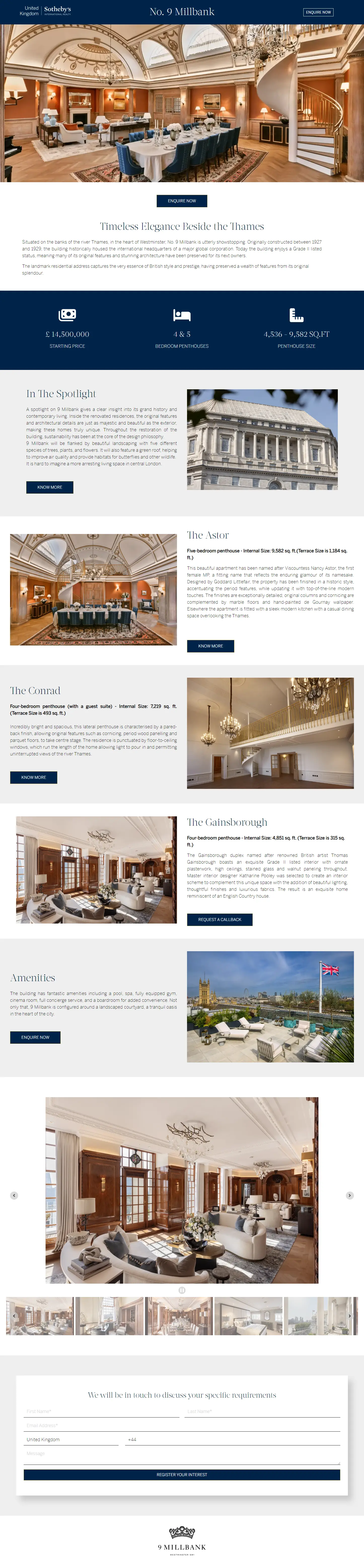
Luxury and Design-Forward Homes
- Why it benefits the brokerage: Higher GCI per transaction, PR leverage, brand halo.
- What to look for: Aesthetic standards, privacy protocols, event experience, and press relationships.
- Operational support: Cinematic creative, staging, private previews, security, international syndication, and PR playbooks.
- KPIs to watch: Listing win rate at target price bands, editorial placements, qualified private showings in 14 days.
New Construction
- Why it benefits the brokerage: Builder relationships, community launches, incentive-driven momentum.
- What to look for: Builder liaison experience, contract nuance awareness, staged release strategy.
- Operational support: Model-home staffing plans, spec inventory updates, lender incentives, lot maps, and HOA briefings.
- KPIs to watch: Release sell-through rate, cancellation rate, spec-to-custom mix.
Senior/Downsizing and 55+
- Why it benefits the brokerage: Highly referable community, allied professionals, steady inbound.
- What to look for: Patience, service orientation, accessibility knowledge, estate-planning awareness.
- Operational support: Move management partners, estate sale vendors, age-in-place advisors, 55+ community matrices.
- KPIs to watch: Time-to-list after consult, satisfaction scores, cross-referrals to probate or 55+ communities.
Military/VA
- Why it benefits the brokerage: Mission-driven service, lender ecosystems, reputation lift.
- What to look for: VA loan mastery, PCS timeline sensitivity, base proximity knowledge.
- Operational support: VA appraisal and MPR checklists, lender partners, base housing liaison, neighborhood tactical guides.
- KPIs to watch: Appraisal outcomes, contract-to-close time, veteran reviews.
Vacation and Second Homes
- Why it benefits the brokerage: Seasonal spikes, affluent buyers, property management referrals where compliant.
- What to look for: Lifestyle marketing chops, rental yield knowledge, HOA/short-term rental rules proficiency.
- Operational support: Rental projections partners, local service provider networks, seasonal event calendars.
- KPIs to watch: Inquiry-to-tour rate, days-on-market by season, booking projections accuracy for buyers.
Eco/Sustainable Homes
- Why it benefits the brokerage: Differentiated brand, passionate buyer segment, growing inventory.
- What to look for: Energy efficiency literacy, certifications (LEED, Passive House basics), appraisal nuances for green features.
- Operational support: Valuation briefs, lender partners with green loan products, vendor list for solar, HVAC, and insulation experts.
- KPIs to watch: Premium achieved for green features, appraisal variance, inbound content leads.
How to Recruit Niche Specialists Effectively #
Define priority niches
- Audit your market’s demand, competition, and your current agent bench.
- Choose two high-impact niches for the next two quarters—one offensive (growth) and one defensive (counter-cyclical).
Build a targeted prospect list
- Identify agents with visible niche signals: content, past sales, partner affiliations, event appearances, and reviews.
- Tier candidates by recruitability and fit.
Lead with a specialist-first value proposition
- Show the exact assets and partners you’ll provide for their niche: playbooks, collateral, event kits, and introductions.
- Avoid generic compensation talk at first; speak to their niche outcomes.
Run a personalized outreach cadence
- Send a handwritten note or short video about how you’d amplify their niche.
- Invite them to a private niche roundtable with your partners.
- Share a one-page “First 30 Days in Our Niche Program” plan.
Assess true niche credibility
- Ask for two case narratives (what went sideways and how they solved it).
- Role-play a common niche objection.
- Confirm partner references (e.g., attorneys, lenders, builders) where appropriate.
Make a tailored offer
- Include niche marketing budgets or matching funds where justified.
- Define SLAs and support staff by name.
- Map specific introductions you’ll make in the first 30 days.
Onboarding a Niche Specialist: 30–60–90 Day Plan #
Days 1–30: Equip and announce
- Refresh bio and photography to reflect niche credibility; publish a niche hub page.
- Load niche playbooks, scripts, and checklists into the CRM with tags and smart lists.
- Produce a fast-start content asset (guide, checklist, or webinar) and run a launch email to relevant segments.
- Introduce to top partners and schedule a joint client-facing event or webinar.
Days 31–60: Demonstrate and document
- Execute one full-cycle niche campaign (e.g., probate seminar, VA buyer workshop, investor deal room).
- Capture testimonials and case artifacts (slides, FAQs, emails) for future reuse.
- Tune routing rules so relevant inbound leads go to the specialist automatically.
Days 61–90: Institutionalize and scale
- Create a repeatable quarterly event cadence and inbound content calendar.
- Launch cross-niche referral workflows with allied specialists in your brokerage.
- Review conversion metrics; adjust scripts, landing pages, and partner SLAs.
Compensation and Economics Aligned to Niches #
Align incentives to outcomes and unit economics
- Matching marketing funds: Unlock co-investment for approved niche campaigns with clear ROI tracking.
- Tiered splits or caps: Reward consistent specialist performance in defined niches without creating internal inequities.
- Referral bonuses inside the brokerage: Reward cross-niche handoffs that close.
- Non-cash perks: Dedicated marketing hours, VA or TC support blocks, or event budgets for top niche performers.
Guardrails
- Keep compensation transparent and consistent with legal requirements.
- Avoid any arrangements that could be construed as prohibited referral fees or kickbacks; follow RESPA and local regulations.
KPIs and Dashboarding: Measuring Niche ROI #
Leading indicators
- Niche-attributed inbound leads and appointment set rates
- Event registrations and attendance
- Partner-generated referrals and time-to-first appointment
- Content downloads and FAQ page engagement
Lagging indicators
- Agreements signed and close rates by niche
- Days on market and sale-to-list ratios in niche bands
- Gross margin per transaction by niche after marketing costs
- Cross-niche internal referrals and retention rates for specialists
Instrumentation tips
- Tag every record in your CRM with a single niche value using a controlled list.
- Build weekly scorecards and monthly trend reports by niche.
- Review marketing spend versus GCI by niche each quarter.
Common Mistakes to Avoid #
Labeling without substance
- Don’t slap “luxury” or “probate” on agent bios without playbooks, partners, and proof. Specialists can smell fluff; clients will too.
Single-point dependency
- Don’t build a niche around one person with no bench or documentation. Create redundancy with processes and cross-training.
Ignoring compliance and ethics
- Never blur lines with prohibited referral arrangements. Build value for partners through reliability, co-marketing, and outcomes, not payments where disallowed.
Overlapping territories and channel conflict
- Clarify lead routing and in-market rules between specialists to avoid internal competition and brand confusion.
Underfunding the niche
- If a niche demands PR, staging, or events to win, plan for it. Under-resourcing undermines performance and erodes agent trust.
Illustrative Scenarios #
Probate expansion case
- Before: Brokerage fields 3–5 sporadic estate listings per year via random inquiries.
- After recruiting a true probate specialist: 2 attorney lunch-and-learns per quarter, standardized intake checklist, and a vendor roster. Within six months, attorney referrals rise to 3–5 per month, DOM drops by 18% versus city average for similar condition properties, and list-to-sale ratio improves 1.8%. Agent satisfaction and reviews highlight empathy and process clarity.
VA buyer excellence case
- Before: Buyers struggle with appraisal and property condition hurdles; contracts fall apart.
- After recruiting a VA specialist and rolling out MPR checklists and lender SLAs: Pre-approval and property screening tighten, contract fallout drops 28%, time from consult to contract drops from 41 to 29 days, and veteran NPS climbs to 86.
Investor lane case
- Before: Occasional investor deals with inconsistent underwriting and low repeat.
- After recruiting an investor specialist and deploying calculators and deal rooms: Repeat purchase rate per investor moves from 1.2 to 2.0 within 12 months; agent generates steady sell-side listings as investors churn assets, doubling niche-attributed GCI.
14-Day Action Plan to Capture Niche Benefits Now #
Day 1–2: Pick two niches—one offensive, one defensive—and define success metrics. Day 3–4: Inventory internal assets and gaps; draft a two-page niche enablement brief for each. Day 5–6: Build a top-25 recruit list per niche; draft personalized outreach angles. Day 7–8: Publish or refresh two niche hub pages; add specialist badges to agent bios where applicable. Day 9–10: Draft event kits and landing pages for each niche; schedule one event per niche within 30 days. Day 11–12: Configure CRM tags, routing rules, and dashboards by niche. Day 13: Launch partner outreach to two high-value referrers in each niche. Day 14: Begin personalized recruit outreach with a handwritten note or short video plus a “First 30 Days in Our Niche Program” one-pager.
FAQs #
Which niches deliver the fastest ROI for brokerages?
First-time buyers, VA/military, and relocation often yield quicker turns due to existing lender and employer ecosystems. Probate and investment can take longer to stand up but often deliver steadier, higher-control inventory once partner relationships mature.
How do we verify if an agent truly has niche expertise?
Ask for two detailed case narratives with bumps along the way and how they resolved them. Request partner references (attorney, lender, builder), review their content and presentations, and role-play a realistic objection. Authentic specialists welcome this.
How many niche agents should we recruit per niche?
Start with one to two per micro-market to avoid internal conflict, then expand when demand requires it. Publish clear lead routing and collaboration norms to keep peace and performance high.
Should agents juggle multiple niches or focus on one?
Depth beats breadth for authority. Allow a primary niche and, at most, one secondary adjacency (e.g., probate + seniors, VA + relocation) to maintain clarity while enabling cross-referral efficiency.
What tools best support niche specialists?
A CRM with niche tagging and smart lists, a knowledge hub of playbooks and templates, event and webinar tooling, lender/attorney/builder partner directories, and templated marketing kits for each niche. For content, build landing pages and FAQs that match niche intent.
How do we avoid channel conflict between specialists?
Define territory and routing rules, enable lead-source tagging, and create a mediated handoff protocol. Reward internal referrals and collaborative deals so the culture favors sharing over hoarding.
What compliance issues should we watch?
Adhere strictly to RESPA and local laws. Avoid prohibited referral fees and kickbacks. Keep marketing co-funding transparent and documented. When in doubt, consult counsel and maintain written policies for each niche.
How should compensation vary by niche?
Align to unit economics and effort. For niches requiring larger up-front marketing (luxury, new construction), consider marketing matches or service credits. Keep split structures consistent with your compensation philosophy and transparent across the team.
How do we measure success by niche?
Track leading indicators (appointments set, partner referrals, event attendance, content engagement) and lagging indicators (agreements signed, close rate, DOM, margin after marketing). Review monthly by niche and rebalance resources accordingly.
Do niche specialists improve agent retention?
Yes. Specialists feel more valued when their niche is supported with assets, partners, events, and recognition. Identity alignment and a path to mastery reduce churn and create internal leadership pipelines.
Can we build a niche without an existing specialist?
Yes—start by building the playbook, partnerships, and content first, then recruit a rising specialist who wants a platform. Early wins become your case studies to attract marquee names later.
Should we brand the entire brokerage around one niche?
Only if your market and strategy demand it. Most brokers benefit from a portfolio approach—own two to four niches per market for balance and resilience, with one leading niche for differentiation.
How do we sunset underperforming niches?
Set quarterly thresholds for pipeline volume, conversion, and margin. If a niche consistently underperforms despite coaching and iteration, redistribute resources and offer specialists a path to adjacent niches before winding down programs.
About MNKY Agency #
MNKY Agency helps brokers build a diversified portfolio of high-performing real estate specialists—and then turn that portfolio into predictable recruiting and production. We recruit real estate agents across every niche and every brokerage model and operate on a simple performance arrangement: $100 per closed transaction, no monthly or annual fees. Our programs weave AIVSO (AI, Voice, and Search Optimization) positioning with InstantEngage speed-to-lead frameworks, SharePoint knowledge hubs, and CRM automation so your specialists are discoverable, equipped, and busy. Whether you need a probate pro, a VA champion, a luxury closer, or a small-multifamily rainmaker, we’ll source the talent, stand up the playbooks, and make the first 90 days feel like an upgrade to everyone involved.
About the Author #
J. Stuart Hill is the founder of MNKY Agency and a twenty-year builder of specialist-driven brokerage systems. He’s known for creating AIVSO and InstantEngage frameworks that help brokers dominate intent-driven search, voice, and AI answers while converting leads with human-feeling automation. Stu’s work spans recruiting, onboarding, and operational playbooks for niches from probate and VA to luxury and investment—turning specialization into a durable moat for modern brokerages.