
Executive Summary (TL;DR) #
Top-producing agents prefer commission models that maximize earnings and reward volume. Flat fee and capped split models are most attractive, while 100% commission structures appeal to agents who generate their own business. Team-based splits work when paired with strong support. Brokerages can offset lower splits with perks like branded vehicles, marketing support, and admin staff. The best commission models offer control, scalability, and clear financial upside — making them key to recruiting elite agents.
Key Takeaways #
Top producers want control — over their brand, their income, and their business.
Flat fee and capped models are the most attractive to high-volume agents.
100% commission models work best when paired with strong backend support.
Team splits must offer leverage, not just leads.
Perks matter — especially when they drive agent growth or reduce workload.
Real Estate Agent Commission & Compensation Models #
Top-producing agents are the lifeblood of any high-performing brokerage. They close more deals, generate more revenue, and often serve as magnets for other agents. But attracting them requires more than just a compelling pitch — it demands a commission structure that aligns with their goals, respects their experience, and rewards their volume.
In this article, we’ll break down the commission models that consistently appeal to top producers and explore how brokerages can structure their offers to win elite talent.
Flat Fee vs. Traditional Split Models #
Top agents often prefer flat fee models because they maximize earnings. Instead of giving up a percentage of every deal, they pay a fixed amount per transaction — typically ranging from $495 to $995 — regardless of deal size. This model is especially attractive to agents closing 20+ deals per year.
Traditional splits (e.g., 70/30 or 80/20) may still appeal to newer agents or those seeking more support, but top producers usually see them as a tax on their success.
Cap Models: The Middle Ground #
Brokerages offering split models with caps (e.g., 80/20 until $25,000, then 100%) strike a balance between profitability and agent retention. Caps give agents a clear path to earning more as they produce more, and they’re often seen as fair by high-volume agents who don’t mind paying into the system — as long as there’s a ceiling.
Caps also allow brokerages to maintain revenue while incentivizing agents to stay and scale.
100% Commission Models #
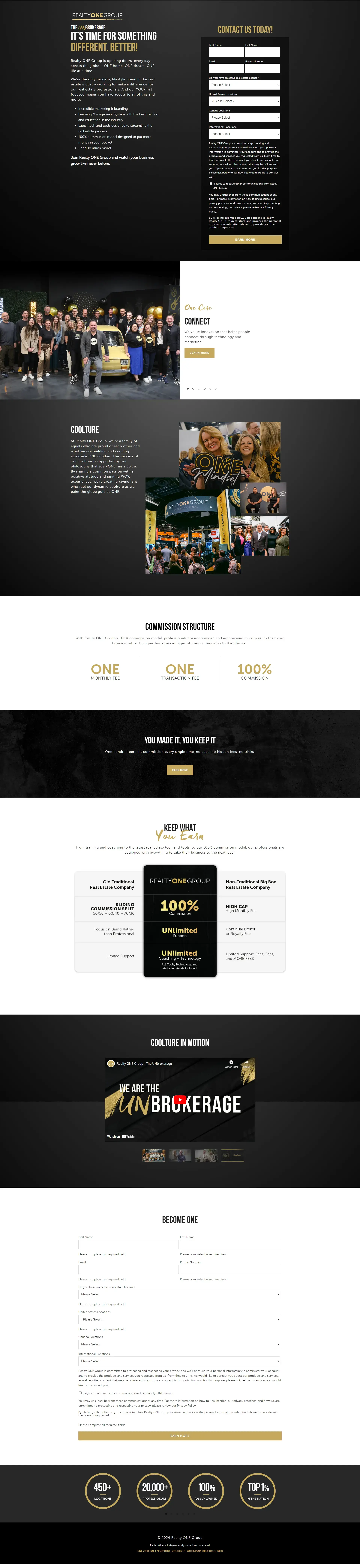
The 100% commission model is the holy grail for many top producers. Agents pay a monthly fee or a per-transaction fee and keep the rest. This model is ideal for agents who:
- Generate their own leads
- Don’t need hand-holding
- Want full control over branding and marketing
However, it only works if the brokerage provides enough value to justify the fee — whether through compliance, tech, transaction coordination, or access to MLS and forms.
Team-Based Splits #
Team leaders often use tiered split structures to attract top-producing agents to their teams. Common models include:
- 50/50 with leads provided
- 70/30 with admin support
- 85/15 for self-sourced deals
These splits are less about the brokerage and more about the team’s internal value proposition. Top agents joining teams typically want leverage — not just leads, but systems, staff, and scalability.
Perks That Offset Lower Splits #
Some brokerages successfully attract top producers with lower splits by offering high-value perks:
- Branded vehicles with personal use
- In-house marketing and video production
- Dedicated transaction coordinators
- Lead generation systems
- Personal branding support
- Access to exclusive inventory or referral networks
These perks can justify a lower split if they directly contribute to agent growth and profitability.
Real-World Examples #
- A Florida brokerage offering $495 per transaction with a $4,950 annual cap attracted 100+ agents in under 12 months — many of them top producers.
- A California team offering 85/15 splits with full admin support and branded content production recruited 3 agents per week.
- A virtual brokerage with a 100% commission model and $99/month tech fee retained 90% of its top agents over 3 years.
FAQs #
Do top agents prefer 100% commission models?
Yes, especially those who generate their own business and want to maximize earnings.
What’s a fair split for a team leader recruiting top producers?
Anywhere from 85/15 to 70/30, depending on the support and lead flow provided.
Can flat fee models attract elite agents?
Absolutely. Flat fee models are often seen as the most agent-friendly structure for high-volume producers.
How important are caps in split models?
Very. Caps give agents a clear path to higher earnings and are a key retention tool.
What perks help justify lower splits?
Marketing support, admin staff, branded vehicles, lead systems, and personal branding services are all highly valued.