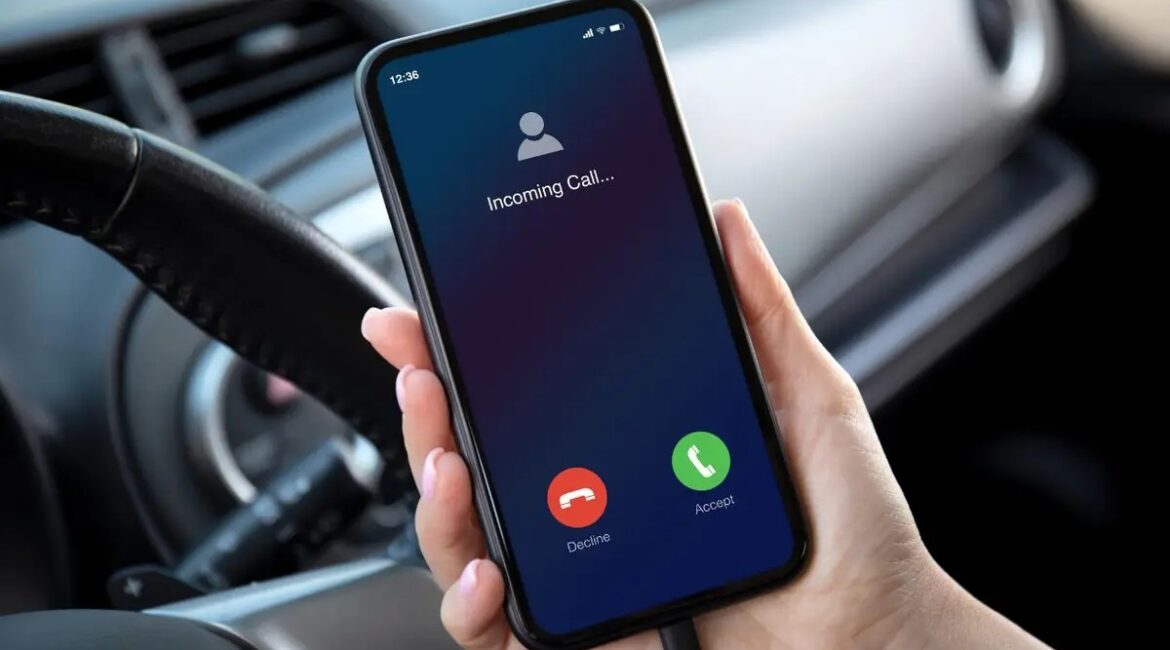
TL;DR: In real estate, less than 3% of agents answer their phones, often only the top producers do. This radio silence is unacceptable—it’s killing deals, wasting time, and driving up costs for everyone. Most agents (70%) don’t close any transactions because they’re unreachable. If you want to succeed, build trust, and actually make sales, start with this simple step: Answer your f****** phone.
About the Author
J. Stuart “Stu” Hill is the CEO and founder of MNKY.agency, a leading digital marketing and recruitment firm dedicated to transforming the real estate industry. With over two decades of experience, Stu helps brokerages and agents scale their business by implementing cutting-edge strategies—from AI & Voice Optimization to marketing automation and innovative agent recruitment funnels for brokers. He’s the architect behind “InstantEngage,” a no-nonsense approach to client communication that prioritizes responsiveness and results. As president of the National Association of Realty Agents and a respected voice in both real estate and marketing, Stu is well-known for his bold, straightforward style—and for always answering the phone, no matter what.
If You’re Not Answering Calls, You’re Already Losing
Let’s cut the shit. If you’re in real estate and you aren’t answering your phone, what exactly are you doing?
When I have a house to sell, I make an average of 100 calls to real estate agents and maybe — maybe — three of them answer. That’s less than 3%, and even that feels generous. You’re lucky if 1 in 30 answers — and it’s almost always the top producer, the one who’s already loaded with listings and contracts.
So what does that say about the other 29? That for some reason, in real estate, it’s totally normal to act like a business… that doesn’t want business.
The “Less Than 3% Club” — And That’s Being Generous
If any other business had this kind of response rate, customers would be fuming. Imagine you call a restaurant to make a reservation, and literally no one picks up. You call your dry cleaner, your barber, your mechanic — nothing but voicemail. And worse? They never call you back.
You’d leave a 1-star review, tell your friends to avoid them, maybe even write a nasty Yelp post. But in real estate? Silence is apparently just “industry standard.”
Well, maybe that’s the problem.
You’re in Sales — So Start Acting Like It
This is a communications business. People — buyers, sellers, lenders, title officers, investors, referral partners — they need answers. They need action. And when you don’t answer, you’re not just missing out on a conversation — you’re missing out on opportunity, on income, and on your reputation.
If you’re too busy to answer, fine. But at the very least, set up a voicemail. Shoot back a text. Forward to a colleague. Leave a signal that you’re alive and working. Because right now, radio silence is killing deals.
The Top Producers Know the Secret
You know who does answer the phone? The ones doing 40, 60, 100 transactions a year. The ones whose inboxes are full, calendars are jammed, and commissions are closing out every week.
They’re not “too busy.” They’re very busy — and very available.
Because they understand a foundational truth of this industry:
Responsiveness is the competitive edge.
They’re not assigning follow-ups to luck. They’re not ghosting deals on purpose. They’re in the habit of answering the damn phone — and that alone sets them apart.
Let’s Talk About the 70%
Here’s a stat the industry hates to admit:
70% of licensed real estate agents in the U.S. closed zero transactions last year.
Not “only a few” — zero.
Only 30% did even one sale. One.
Let that sink in: the majority of so-called professionals in this industry aren’t actually working in it in any meaningful sense. If you didn’t close a single deal last year, you’re not “in the business.” You’re just paying brokerage fees and pretending it’s a career.
And here’s the kicker — if you’re in that 70%, ask yourself:
Did you return your calls?
Did you follow up with leads?
Or did you let everything go to voicemail and wonder why the deals never came?
Look — you can’t close homes you never talk about. You’re not building trust if no one can reach you. You’re not building a pipeline if you kill every lead by being unreachable.
The Hidden Cost of Ignoring the Phone
Every minute my sales team spends chasing down someone who won’t just answer or say “no”… it costs. It costs time, payroll, opportunity, and momentum.
The more we have to follow up with agents who are too “busy” to pick up, the more it drives up the cost of every completed sale. And those costs? They get passed on. To other customers. To those who are ready. To people who didn’t do anything wrong — except try to buy when the system is broken.
Not picking up the phone doesn’t just affect you. It wastes time. It wastes money. And in the end, it hurts the entire market.
If you think ignoring phone calls is some harmless passive behavior, think again.
Final Word
The real estate business is not about algorithms, funnel hacks, or waiting for the perfect online lead. It’s about one thing: connection. And you cannot connect if you refuse to even answer.
If you’re blaming the market for a slow year, start with your own phone log.
If you’re stuck at zero deals, ask how many people you actually talked to this month.
If you feel invisible — check whether you’re even reachable.
This isn’t a rant. This is reality:
You can’t sell if you’re silent.
You can’t build trust if people can’t reach you.
And you cannot survive in this industry on excuses and missed calls.
So if you’re serious about building something real in this business…
Answer.
Your.
F******.
Phone.
Frequently Asked Questions
Boosting responsiveness starts with a shift in mindset: treat every call, text, or inquiry as an opportunity and a responsibility. Simple steps—like always having your phone nearby, setting custom ringtones for important contacts, or using modern tools (such as call routing, auto-responders, or CRM reminders)—can substantially increase your answer rate.
Consider adopting a strategy like InstantEngage: when a lead comes in, call back immediately, even if just to set up a later conversation or text a personalized acknowledgment. Assign a team member to handle overflow, or use technology to seamlessly direct calls to available agents. The goal is to ensure no lead waits more than a couple of minutes for a response. Over time, this habit will set you apart in your market, help generate more leads, and deepen your reputation for reliability.
Microsoft Teams, when used as your business phone system, consolidates your communication tools in one cloud-based platform. Agents can:
- Answer and make calls from any internet-connected device.
- Enable calls to ring across multiple devices at once.
- Use integrated voicemail and live presence indicators to ensure someone’s always available to take important calls.
- Seamlessly collaborate with team members, forward calls, and transfer calls to the right person quickly and professionally.
- Access advanced call management features like auto-attendants, call queues, call transcription, and holding music—just like a sophisticated PBX system but without the physical hardware or legacy infrastructure.
Improving your call handling starts with choosing the right technology and establishing clear workflows. Adopt a cloud-based business phone system, like Microsoft Teams, which allows calls to ring simultaneously on multiple devices—your mobile, desktop, and even traditional desk phone. This way, you’re reachable whether you’re in the office or on the road.
Set up features such as simultaneous ringing and call queuing so you never miss a lead. Consider partnering with a professional answering service, like Moneypenny, to ensure every client call is answered by a real person—even after hours or when you’re busy. Combine these tools with personalized voicemail greetings and prompt callbacks, and you’ll quickly see improved client satisfaction and more closed deals.
Missing calls can cause long-lasting harm to a real estate agent’s reputation. In an industry where trust and communication are paramount, unreturned calls send the message that an agent is unreliable, inattentive, or simply uninterested in client needs. Word spreads quickly—clients who feel ignored will often leave negative reviews, share their experiences with friends, and avoid recommending that agent to others.
Over time, a pattern of missed calls can result in fewer inbound leads, a decline in repeat business, and ultimately, a reputation as someone who is difficult to reach or unresponsive. This reputation is hard to fix, as unhappy clients are far more likely to leave public reviews than satisfied ones. In short, being difficult to contact is one of the fastest ways to lose trust and credibility in real estate.
Responsiveness is strongly linked to sales performance in real estate. Top-producing agents almost always share a common trait: they respond quickly and reliably to every inquiry, whether it comes via phone, email, text, or other channels. This isn’t a coincidence. Prompt communication helps capture new leads before competitors, keep existing clients engaged, and ensure every part of a transaction moves smoothly.
Moreover, responsiveness can differentiate an agent in a crowded market. With so many agents vying for attention, the one who promptly answers questions, addresses issues, and follows up quickly is most likely to gain client trust, secure more deals, and benefit from positive word-of-mouth. Consistent responsiveness increases the likelihood of repeat business, referrals, and sustained reputation growth—directly fueling long-term sales success.
Real estate agents can dramatically improve their call handling efficiency and client satisfaction by leveraging modern technology and proven workflows. Some of the top strategies include:
Active monitoring and training: Regularly review call logs, listen to recordings for quality, and train your team or receptionist service to handle calls in a way that reflects your brand values. Provide ongoing coaching to improve answer rates and customer satisfaction.
Adopt a cloud-based business phone system: Platforms like Microsoft Teams transform any device—desktop, laptop, smartphone, or even a dedicated desk phone—into a business phone. This ensures all incoming calls can reach you or your team wherever you are. You’ll never have to worry about missing important calls due to being out of the office.
Enable calls on multiple devices: With Microsoft Teams and similar systems, a single business number can ring on your laptop, mobile, and even desk phone at once. This redundancy means you’re always reachable, and calls can be seamlessly transferred as you move between locations.
Use simultaneous ringing and call queuing: Features like “simultaneous ringing” ensure calls ring on several devices or with multiple team members at the same time, maximizing the odds that a client reaches someone promptly. Call queuing and auto-attendant features help manage high volumes and route callers to the right person without confusion.
Rely on a professional answering service such as Moneypenny: Services like Moneypenny provide 24/7 coverage from trained receptionists who greet callers as if they are part of your own team, book appointments directly into your calendar, and can even integrate with Microsoft Teams to transfer calls or relay messages. This ensures you never miss a lead, no matter the day or hour.
Set up custom call routing and voicemail: Make use of call forwarding, voicemail-to-text, and presence indicators (so callers know if you’re available or not). These features minimize missed calls and allow fast follow-up even if you can’t pick up immediately.
Utilize AI-powered tools: Modern systems like Teams include AI that can route calls smartly, suppress noise, and even transcribe voicemails for quicker review and easy record keeping.
A professional answering service such as Moneypenny acts as an extension of your team, ensuring every call is greeted by a real, knowledgeable person—even after hours or when you’re busy with clients:
- 24/7 availability: No matter when a lead calls, someone answers.
- Personalized responses: Receptionists use your company information, follow your instructions, and even access your real-time calendar and Microsoft Teams status to transfer calls or relay messages appropriately.
- Integrated systems: Moneypenny can sync with your CRM or calendar, log calls, and book appointments, so nothing slips through the cracks.
- Spam and VIP filtering: The service recognizes repeat callers, VIPs, and can filter out cold calls or spam, focusing your attention on valuable contacts.
When you miss a lead’s phone call, you risk losing that business forever. Data in the real estate industry consistently shows that a large percentage of clients—sometimes more than 85%—will not call back if their first call isn’t answered. Instead, they are likely to contact another agent who is more responsive.
This lost lead represents not just an immediate lost opportunity but possibly future deals as well. Potential buyers and sellers often have extensive networks and will refer friends and family to the agent who gave them fast, consistent service. Failing to answer (or at least call back promptly with a personal touch or a well-crafted auto-reply) means missing out on that entire network of future prospects. In the long run, poor responsiveness leads to reduced deal flow and a stagnating real estate business.
- Move your business number to a cloud system like Microsoft Teams or another provider with simultaneous ringing and device-agnostic calling.
- Set up custom call routing so calls ring to yourself, your assistant, or a backup—never to an empty line.
- Use a reputable answering service like Moneypenny to provide backup coverage or 24/7 service.
- Regularly check voicemail and missed call logs, and respond immediately.
- Train your team on scripting, active listening, and handling objections; review recordings for improvement opportunities.
These steps not only ensure you answer more calls, but they also give prospects and clients the fast, professional touch that builds trust and closes more deals.
The cost of missed calls in real estate is twofold: lost sales and increased operational expenses. Every missed call is a possibility of a lost commission, whether from a seller needing representation or a buyer looking for a new home. Research suggests missed calls cost real estate businesses millions annually—not only in direct lost deals but also in the added cost of staff spending extra time on unsuccessful follow-ups.
Moreover, the more time your team spends calling and re-calling prospects who don’t answer or don’t respond, the higher your payroll and opportunity costs become. This inefficiency can drive up service costs for all customers, force agents to take on fewer clients, or limit the level of white-glove service you can provide to engaged buyers and sellers. Over time, these hidden costs can erode profitability and competitiveness in your local market.
In real estate, the ability to answer calls quickly isn’t just a courtesy—it’s the gateway to trust, business, and long-term client relationships. When a potential client calls a real estate agent, they’re often in the middle of making significant life decisions. Responding promptly demonstrates reliability, professionalism, and respect for the client’s time.
Additionally, real estate moves fast. Listings appear and disappear daily, negotiations can be time-sensitive, and buyers or sellers expect quick updates. Missing a call can mean missing out on a new lead, a crucial piece of negotiation, or the chance to win a referral. In fact, studies show that most potential clients don’t leave a voicemail or try again—they simply move on to an agent who answers the phone. That means every missed call is a potential lost deal, and over time, this directly impacts your reputation and earnings.