Executive Summary (TL;DR)
Recruiting experienced real estate agents is the fastest way to scale a brokerage, but it requires a tailored approach. These agents prioritize financial upside, operational ease, and culture that respects autonomy. The winning formula combines transparent economics, concierge-level onboarding, and systems that save time. Avoid hard selling—lead with math, workflows, and proof.
Key Takeaways
- Lead with Net Income Math: Show side-by-side P&L comparisons with transparent fees and caps.
- Offer a Switching Plan: A documented 48-hour onboarding process removes friction and fear.
- Highlight Tech That Saves Time: Collaboration hubs, compliance automation, and TC support win veterans.
- Culture Counts: Create opt-in masterminds and niche communities, not mandatory meetings.
- Follow Up Strategically: Weekly value-driven touches (case studies, calculators, switching guides) convert curiosity into commitment.
- Avoid Hidden Fees: Transparency on E&O and compliance costs builds trust and differentiates you.
- Segment Your Pitch: Solo producers, top performers, and team leaders have different priorities—customize accordingly.
Introduction
Recruiting experienced real estate agents is one of the highest-ROI growth levers a brokerage can pull. Seasoned agents bring pipelines, predictability, and fewer training demands. But they’re also the hardest audience to win. They’ve seen every split, sat through every pitch, and learned to spot the gaps between brochure talk and day-to-day reality. In this guide, I’ll show you how I recruit experienced agents at scale—what they actually care about, the offers that move them, the systems that keep them, and the follow-up cadence that converts “curious” into “committed.”
I’m writing this for brokers, team leaders, and recruiting directors who want a practical, no-BS playbook. I’ll include examples, scripts, a 12-week action plan, and a detailed FAQ for SEO. If you implement even half of this, you’ll start filling your pipeline with productive, experienced agents who stick.
What Experienced Agents Really Want
Experienced agents don’t need “rah-rah.” They want leverage, economics, and clarity. Here’s what consistently wins:
Financial Upside Without Gotchas. The split or fee is always top three. They want a model that increases their net income in a way they can see on paper. If you offer 100% commission with a fair transaction fee and sensible caps—or a competitive split with tangible marketing/operations support—make it transparent. No hidden E&O markups, no compliance “mystery fees,” no bait-and-switch on caps.
Operational Ease: Time is the true currency for top performers. They want streamlined transaction workflows, smart templates, and fast broker access. If your eSignature, compliance, and file review process are clunky, you’ll lose them. The right tech stack reduces friction at every step.
Brand and Marketing Lift: Experienced agents have a personal brand. They want yours to amplify, not replace, their identity. Offer brand kits, listing media standards, and co-marketing programs that help them win more listings without micro-managing their look and feel.
Community Without Micromanagement: Veterans often crave peer-level collaboration while guarding autonomy. Curate masterminds, specialty channels, and private groups where producers swap strategy. They want to feel part of something—without daily quotas or “attendance policing.”
Leads They Respect: Most experienced agents don’t want low-intent, junk leads. They want a repeatable system that grows their SOI, fuels referrals, and equips them to win more listings. If you do distribute leads, set standards that protect everyone’s time.
A Broker Who’s Accessible and Useful: “Reachable broker” is a quality-of-life metric. Provide clear escalation paths, fast answers, and written guidance. If they can get reliable answers in minutes instead of days, you’re suddenly competitive.
Clear Onboarding and Clean Switching: Moving brokerages can be messy. If you provide a well-documented, concierge-like transfer process and protect their pending escrows and active listings, you’ll remove the biggest emotional barrier to switching.
The Three Profiles of “Experienced” and How to Win Each
Not all experienced agents want the same thing. Tailor the pitch.
The Independent Producer (6–20 deals/year): Motivated by keeping more of each check, faster ops, and occasional marketing lift. Pitch net income comparisons (two or three real scenarios), painless transaction workflows, and a concierge “switch kit” that handles license transfer, signage, and lockbox swaps.
The Top Producer (20–60+ deals/year or $15M+ volume): Time leverage is king. Pitch an executive-level support model: listing management, TC excellence, high-quality media standards, brand collaborations, and broker access. Create an “elite lane” with service-level guarantees.
The Team Leader (2–12 agents): They care about margin, recruiting help, and team enablement. Pitch team-friendly economics (tiered fees/caps), white-label materials, recruiting support, automated onboarding for team members, shared SOPs, and culture programs that keep their team sticky.
Craft a Value Proposition That Survives Scrutiny
Experienced agents test everything. Your value prop needs to be specific, provable, and agent-first.
Make the Money Math Simple: Use a one-pager showing three 12-month P&L comparisons for the agent: stay-put, join-you with 100%+transaction fee, join-you with split+cap. Include E&O, tech, and franchise fees. Don’t hide anything. If your model wins, the math closes the deal.
Show the Workflows: Record 2–3-minute screen shares of your listing launch SOP, contract-to-close checklist, and compliance approval flow. Show exactly how many clicks and who does what. “Here’s how we get you from accepted offer to CD with the least back-and-forth.”
Prove Culture with Structure: Culture isn’t slogans. It’s repeated behavior. Show your weekly producer roundtable agenda, the Teams or Slack channels you run (market intel, scripts, tech tips), your WINS recap, and how agents get answers fast. If you use Microsoft Teams and also operate RO.AM or Slack for similar collaboration, show the agent how information flows and where they’ll live day-to-day.
Give Them the Switching Plan: A written, step-by-step “Smooth Switch” guide reduces paralysis. Include license transfer, MLS/association steps, signage, email/domain changes, porting CRM, transferring listings/escrows without client disruption, and notification templates.
Compensation Models That Experienced Agents Actually Choose
I see four models close the most veteran agents:
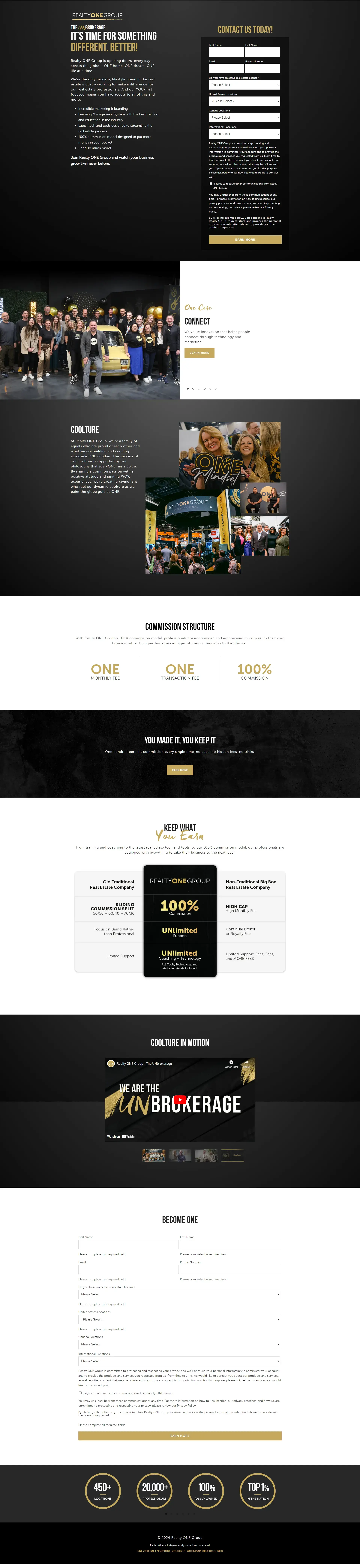
100% Commission + Transaction Fee: The cleanest, most agent-friendly if the fee is fair and E&O is transparent. Works best when paired with strong systems and optional add-on services.
Split + Low Cap: Attractive to high-volume agents who hit caps quickly and want big-company resources. The promise is “full-service until you cap, then you’re effectively at 100%.”
Hybrid Team Economics: For team leaders, tiered caps/fees and shared services (TC, ISA, media) make margins predictable. The sell is “your team grows on rails.”
Performance Credits: Offer fee rebates or marketing credits for hitting production targets. Experienced agents see it as “earn your costs down.”
Whatever you offer, include E&O specifics, onboarding fees (ideally none), and any franchise or royalty costs. The fastest way to lose credibility is “surprise math” after they’re emotionally bought in.
Technology and Systems That Win Veteran Agents
Experienced agents aren’t anti-tech; they’re anti-time-waste. Here’s a stack that converts:
Collaboration Hub: Microsoft Teams for channels, meetings, and file access. If you also use RO.AM or Slack for similar collaboration, make it clear how you centralize updates so nothing gets missed. Create named channels for contract help, listing launches, market data, marketing requests, and wins.
Knowledge Base and Onboarding Portal: A SharePoint site as the agent “home base” with SOPs, forms, video walkthroughs, checklists, and a searchable FAQ. Include a “Getting Started in 48 Hours” track and a “Switching Brokerages” checklist.
CRM and Automation: HubSpot or Mautic to nurture your recruiting pipeline and provide agents with SOI growth playbooks, smart lists, and drip frameworks. Give agents battle-tested campaigns they can brand and send within a day of joining.
Transaction and Compliance: Clear contract templates, state-specific checklists, and turn-time SLAs for broker review. A good TC program—internal or partner—wins deals because it gives veterans back their evenings.
Marketing Operations: Brand kits, listing media standards (photos, video, floor plans), property websites, social caption templates, and a documented launch calendar. Provide done-with-you options without forcing agents into rigid creative tools they don’t like. Keep it simple and on-brand.
Agent Support: Publish response-time promises: “Broker questions answered in under 2 business hours,” “Compliance review within 24 hours,” “Listing launch assets within 48 hours.” Veterans love predictable service levels.
Culture That Respects Producers
Experienced agents don’t want mandatory meetings, but they do want a professional peer group.
Producer Roundtables: Weekly or biweekly, 45 minutes, agenda-driven, optional but addictive. Hot seats, pricing debates, “What won the listing?” segments, and objection handling.
Micro-Communities: Channels by niche: luxury, new construction, probate, investor-friendly, relocation. Let producers go deep where they’re strong—and learn from peers.
Recognition That Matters: Celebrate closed listings, 5-star client reviews, community involvement, and referrals—not just volume. Share scripts and playbooks that led to wins.
Mentor Opportunities: Many experienced agents love mentoring if it’s structured and valued. Offer formal mentorship with clear expectations and rewards—referral fees, spotlight features, or dedicated support.
Sourcing Experienced Agents: Where and How
Your sourcing strategy should be consistent and multi-channel:
MLS and Public Records: Identify agents by production (last 12–24 months), not just license age. Build lists by zip code, niche, and average price point.
LinkedIn Sales Navigator: Filter by title (Realtor, Associate Broker, Team Lead), geography, and years in role. Personalize outreach based on visible wins.
Sphere and Referrals: Your current agents know who’s restless. Equip them with a “Who do you know?” prompt and pay referral bonuses tied to first closed transaction.
Long-Form Content and SEO: Publish value-dense guides (like this) on topics experienced agents search for: negotiating splits, switching brokerages smoothly, listing presentation frameworks, and market playbooks.
Email Drip and Retargeting: Run a no-pressure newsletter with tactical content. Retarget visitors to your careers pages with case studies and calculator tools.
Live and Virtual Events: Host quarterly “Producer Playbooks,” invite high performers as panelists, and follow up with event-specific offers.
Messaging That Experienced Agents Respond To
Keep your messaging grounded, numeric, and respectful.
Subject Lines: “What would you net if you kept 90–100%?” “We cut this agent’s overhead by 58%.” “Your 48-hour switching plan.”
Email Body (Short): “If you could increase your net by 20–40% without changing your volume, would a 20-minute call be worth it? I’ll show three real P&Ls and your 48-hour switch plan. No pressure.”
Voicemail: “I help experienced agents keep more of each check and get home earlier. If you’re up for seeing your numbers side-by-side, I’ll put it in writing. Text me ‘math’ and I’ll send the comparison.”
DM Opener: “Congrats on the [recent listing/sale] on [street/neighborhood]. Curious—if your annual costs dropped by ~30% without changing your volume, what would you invest that time and margin in this year?”
Objection Handling for Veterans
“I’m loyal to my broker.” Acknowledge it. “You should be. That loyalty probably helped you win in tough years. My goal isn’t to break relationships—it’s to show you what your next phase could look like with more net income and more time back. If the math and switching plan aren’t better, you shouldn’t move.”
“I don’t want to move my active deals.” “Totally fair. We have a documented process to protect every escrow and listing. We’ll stage your switch date and notify parties at the right moment. I’ll show you the timeline in writing.”
“I’m exhausted by new systems.” “Then we’ll meet you where you are. We’ll port your workflows, give you a 48-hour essentials track, and assign a concierge for the first 30 days. No big-bang tech change.”
“My split is high but I ‘get a lot.’” “Let’s quantify ‘a lot.’ We’ll list the services you actually use and assign real dollar values. If our model wins on net and keeps or improves the services you rely on, it’s worth a conversation.”
The 48-Hour Switching Plan (What You Provide)
Day 0: Pre-Board. License transfer prep, MLS/association steps, E&O certificates, email domain set up, brand kit, signature, signage orders held (not installed), lockbox inventory audit.
Day 1: Go-Live Essentials. Email and calendar live, Teams/Slack/RO.AM channels joined, SharePoint onboarding checklist, top 10 forms/templates, listing launch SOP, TC introduction, CRM port plan, “switch” announcement templates, social and email scripts.
Day 2: Active Business Transition. Escrow transfer plan (if applicable), listing continuity guide, price-change/counteroffer templates, vendor rover list (photographers, stagers), open house calendar sync, marketing calendar for next 30 days. Concierge check-in.
What to Show in Your First Meeting
Three Numbers That Matter. Their last 12 months: GCI, true expenses, true net. Then your model’s pro-forma with identical volume.
A Written Service Catalog: Everything you provide, how to access it, and turn times.
The Actual People: One broker, one TC lead, one operations lead. Names, numbers, and Slack/Teams handles.
A Real Timeline: “If you wanted to move this month, here’s the week-by-week plan and who does what.”
Case Studies (Anonymized but Real)
Carmen, 12-Year Producer, Suburban Market. Carmen was at a traditional split with high “tech” and “E&O” add-ons. We showed her a 100% model with a fair transaction fee and truly transparent E&O. Her annual overhead dropped by 62% and she closed four additional listings the following year because she reinvested in listing media and a neighborhood mailer. The deciding factor: a concierge TC who cleaned up her contract timelines.
Devon, Team Leader with 5 Agents. Devon’s margin was eroding from bloated leads and inconsistent admin. We migrated the team to a hybrid cap with shared services: TC, listing media, and a centralized brand kit. The team’s recruiting improved (two additions in 90 days), churn fell to zero in year one, and the team leader pulled himself out of admin two days per week.
Lily, Urban Specialist. Lily was already capping annually but felt invisible. We created a niche authority plan—luxury/architectural—with a quarterly market briefing co-branded to her name, and we standardized her listing launch to 72 hours door-to-door. She didn’t change her volume in year one, but her average price increased 18%, with a corresponding net lift.
KPIs and Dashboards to Run Your Recruiting Machine
Top-of-Funnel: New experienced-agent leads per week, % from referrals, % from content.
Mid-Funnel: First meetings booked, show-rate, P&L calculator requested, switching plan delivered.
Bottom-of-Funnel: Offers extended, offers accepted, time-to-switch (days), percentage who move within 30 days.
Quality and Retention: 90-day production, 6- and 12-month retention, agent NPS, average net income increase (self-reported with documentation where possible).
Service-Level Compliance: Broker response time, TC cycle time, compliance approvals, listing launch turnaround.
A 12-Week Plan to Start Recruiting Experienced Agents
Week 1–2: Build Your Proof. Create the P&L comparison template, write your switching plan, film three workflow screen shares, publish a “Why Experienced Agents Switch” guide, and prepare three anonymized case studies.
Week 3–4: Identify Prospects. Pull MLS/production lists, create “Top 200” prospects by geography/niche, set up your CRM pipeline stages, and import your lists.
Week 5–6: Launch Outreach. Send a three-email sequence (value, math, invitation), publish a landing page with your calculator, and start LinkedIn DMs focused on recent wins. Host one invite-only virtual roundtable.
Week 7–8: Nurture and Events. Send a market insights newsletter, highlight a case study, and run retargeting to your careers page and calculator. Book 10–20 first meetings.
Week 9–10: Close and Onboard. Deliver P&L comparisons live, present the concierge switching plan, and schedule go-live dates. Install your 48-hour essentials playbook.
Week 11–12: Promote and Iterate. Publish two new agent spotlights, collect testimonials, measure KPIs, and refine your messaging based on objections you heard.
Recruiting Script Templates You Can Use
Email – Money Math Invite
Subject: What would you net if you kept 90–100%?
Body: If you could increase your net by 20–40% without changing your volume, would a 20-minute call be worth it? I’ll walk you through a side-by-side P&L and show exactly how we make switching painless in 48 hours. No pressure, no hard sell. Reply “Math” and I’ll send the comparison and calendar link.
Voicemail Script: Hey [Name], it’s [Your Name]. I help experienced agents keep more of each check and get home earlier by fixing fee bloat and ops friction. If you want your numbers in writing, text me ‘MATH’ and I’ll send a one-page comparison and a 48-hour switch plan. Talk soon.
LinkedIn DM Opener: Congrats on your [recent sale/listing] in [neighborhood]—textbook execution. Quick question: if you kept an extra 25–35% of your current overhead without changing volume, what would you invest in next—media, farming, or time back? If curious, I’ll send you a one-pager and we can talk whenever you’re ready.
Common Mistakes That Cost You Experienced Agents
Selling Sizzle Without Systems: If your broker support inbox is a black hole, no split will save you.
Hiding the Ball on Fees: Agents talk. Your reputation will suffer if you surprise them later.
Over-Indexing on “Leads.” If your leads are low-intent, you’ll burn veterans. Focus on SOI, listing strategies, and conversion training.
Ignoring the Switch: Moving is emotional. Treat the switching plan as a product—with documentation, concierge support, and a calendar.
Making Culture Mandatory: Forced meetings and scripted “hustle” vibes repel producers. Create opt-in, high-signal forums.
Advanced Plays That Differentiate You
Executive Services Lane: Publish a “Producer Service Level” that includes accelerated broker review, dedicated TC, and priority media slots for top performers.
Niche Authority Kits: Turn your best niche playbooks (probate, luxury, builder relationships, relocation) into kits with outreach scripts, vendor lists, and collateral. Experienced agents love ready-to-deploy niches.
Business Planning as a Service: Offer a 90-minute annual planning session with quarterly check-ins. Provide a P&L model, marketing calendar, and accountability that isn’t infantilizing.
Client Experience Standards: Codify listing media, showing follow-up, and review collection. The agents who care about brand will care about you.
Quiet Recruiting Agreements: For agents worried about retaliation, offer confidential exploration with delayed public announcements and staged transitions.
How I Present the Offer in 20 Minutes
Minute 0–2: Rapport and recent wins. “What’s working best for you right now?”
Minute 3–7: Money math. “Here’s your last 12 months. Here’s the same year with our model. Here are the assumptions.”
Minute 8–12: Workflows and support. Screen-share listing launch, TC process, and broker response SLAs.
Minute 13–16: The switch. The 48-hour plan, who does what, and how we protect current deals.
Minute 17–20: Decision path. “If the math and the plan feel right, we pencil a go-live window and I’ll send the one-pager. If not, I’ll still send the calculator—you own it.”
FAQs About Recruiting Experienced Real Estate Agents
What do experienced agents look for first when considering a move?
The money math and the switching friction. If your economics improve their net income and your switching plan protects their pipeline and escrows, you’ll get the second call.
How do I talk about splits without sounding like every other recruiter?
Don’t sell splits; sell net outcomes and service levels. Bring a one-page P&L with transparent fees and a written service catalog with response-time promises.
Should I offer leads to experienced agents?
Offer them as optional, high-intent programs. Most veterans want systems that grow their sphere and listings more than cold internet leads. If you do leads, publish standards for quality and speed-to-lead.
What’s the best way to source experienced agents?
Combine production data (MLS/public records), peer referrals, LinkedIn Sales Navigator, and content that solves veteran problems (switching kits, listing frameworks, P&L calculators).
How do I handle loyalty objections?
Respect it, then quantify. “You should be loyal. Let’s see if your next chapter could increase your net and give you time back—if not, you shouldn’t move.” Always follow with numbers.
What technology impresses experienced agents most?
The tech that makes their day lighter: collaboration hubs (Teams/Slack/RO.AM), a real knowledge base (SharePoint), fast eSignature and compliance, and a TC program that actually hits deadlines.
How can I prevent false starts after an agent says “yes”?
Send a written go-live plan with dates, assign a concierge, schedule the 48-hour essentials, and confirm their active deals plan. Momentum dies when people don’t know the next step.
How do I support team leaders differently from solo producers?
Offer team-friendly economics, white-label materials, recruiting help, and shared services. Meet with both the leader and the ops person—make onboarding repeatable for the whole team.
Is 100% commission always the best way to recruit veterans?
It’s often strongest if support is solid and fees are fair. But high-volume agents may prefer a split+cap if big-company resources and brand equity are meaningful. Always prove net outcomes.
What culture programs actually matter to experienced agents?
Producer roundtables, niche masterminds, recognition that isn’t cheesy, and fast broker access. Keep it opt-in, crisp, and useful.
How do I make switching brokerages feel safe?
Document everything: steps, timelines, who does what. Provide client announcement templates, MLS guidance, signage logistics, and a day-by-day calendar. Assign a human concierge.
What KPIs should I track for experienced-agent recruiting?
Time-to-hire, offer acceptance rate, 90-day production, 6- and 12-month retention, agent NPS, and average net income increase post-move. Also track service-level adherence.
How do I compete if my brand isn’t “famous”?
Win on execution. Publish your service standards, show your workflows, share case studies, and prove net income lift. Famous brands lose to operators who deliver.
What’s the best cadence for follow-up?
Weekly for the first month (value emails, case studies, event invites), then biweekly. Every touch should feel helpful: calculators, checklists, market insights, switching guidance.
What are deal-breakers for experienced agents?
Hidden fees, slow broker response, sloppy compliance, rigid creative control, and bait-and-switch on caps or service levels.
Should I talk about E&O and compliance fees upfront?
Absolutely. Experienced agents have been burned by hidden E&O and “compliance” markups. Transparency earns trust and often becomes a differentiator.
How can I leverage current agents to recruit more veterans?
Give them an easy referral script, pay rewards on the first transaction closed, and feature them as panelists at producer events. Peer validation closes deals.
Final Checklist Before You Pitch a Veteran Agent
A one-page P&L comparison template with real assumptions
A written “48-Hour Switching Plan” with dates, owners, and templates
Three short screen shares of your workflows (listing launch, TC, compliance)
A service catalog with response-time SLAs
An onboarding portal with essentials and a searchable knowledge base
Two anonymized case studies with measurable outcomes
A calendar link and a concierge ready to own the first 30 days
About MNKY Agency
We recruit real estate agents for all types of brokerages nationwide. Our pay-per-transaction model is commission-only—we only earn when you earn. It’s a simple $100 per closed transaction, with no monthly or annual fees. We design and run recruiting systems that consistently attract experienced agents, build brand authority, and keep your onboarding clean and fast. If you’re serious about filling your pipeline with producers and doing it the right way, Let’s Get Growing!
About the Author
I’m J. Stuart Hill. For two decades I’ve built recruitment engines and marketing systems for brokerages and team leaders who want to scale intelligently. I specialize in agent-first economics, automation that never feels automated, and culture programs producers actually adopt. If you want help creating a recruiting machine that attracts experienced agents and keeps them, I’m in your corner.